At Drive Safe Driving School we provide structured driving lessons tailored to your ability and confidence level. You will learn with your own personal, fully qualified male or female owner‑instructor, who is highly experienced in driver training, road safety and vehicle knowledge.
Your friendly, enthusiastic instructor will assess your strengths and weaknesses and then design each driving lesson to suit your ability. Every lesson has a clear goal, and your instructor will support, guide and encourage you to achieve it.
In every lesson, your instructor will:
Set a specific learning objective for you to work on
Help you practise the skills step by step
Monitor your progress and give you clear feedback
We offer a full range of driving lessons and courses, including:
Motorway lessons
Pass Plus courses
Refresher lessons
Intensive driving courses
Lessons can be customised to your needs, whether you are a complete beginner, nervous driver or looking to build extra confidence after passing. Plan the next lesson based on what you achieved.
Our lessons are designed around risk management – helping you spot hazards early, make safer decisions and minimise the risk on the road every time you drive.
This structured approach accelerates your learning and makes lessons enjoyable and cost‑effective, because you are always moving forward with purpose.
Our lessons follow DVSA guidelines to prepare you thoroughly for your driving test, but we also focus on teaching safe driving skills for life, so you can DRIVE SAFE long after you pass.
Our lesson prices are very competitive for the Hounslow area, while maintaining a very high standard of tuition – cheap, low‑quality lessons usually cost more in the long run.
Vehicle safety checks are an important part of learning to drive and form part of the DVSA practical car driving test. During your lessons we will cover all the “show me, tell me” questions so you know exactly what to do on test day.
You will learn how to:
Check engine oil, coolant, brake fluid and windscreen washer levels
Check tyre condition and tyre pressures
Test your brakes, handbrake, lights, indicators and horn
Carry out basic under‑bonnet and outside‑the‑car safety checks
Your instructor will show you each check in a simple, step‑by‑step way and then let you practise explaining and demonstrating them, just like you will in the real test.
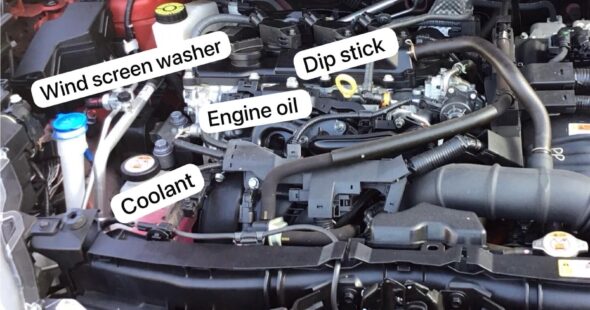
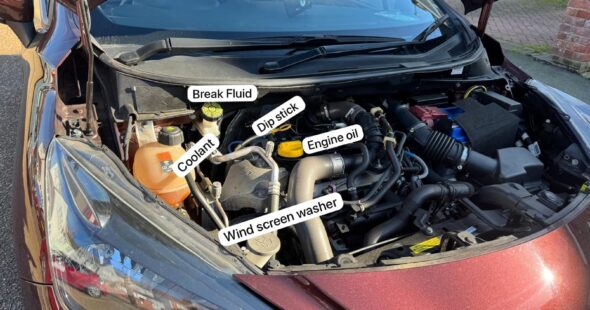
Tell me
Open the bonnet, identify where you would check the engine oil level and tell me how you would check that the engine has sufficient oil.
Answer
Identify the dipstick or oil level indicator, remove it, wipe it clean, re‑insert and then check that the oil level is between the minimum and maximum markers.
Show me
Show me or explain how you would check that the power‑assisted steering is working before starting a journey.
Answer
If the steering becomes heavy, the system may not be working properly. Before starting a journey, apply gentle pressure to the steering wheel while starting the engine; there should be a slight but noticeable movement as the system begins to operate. Alternatively, turning the steering wheel just after moving off will give an immediate indication that the power assistance is functioning.
Tell me
Open the bonnet, identify where you would check the engine coolant level and tell me how you would check that the engine has the correct level.
Answer
Identify the high/low level markings on the header tank (where fitted) or on the radiator filler cap and describe how you would top up to the correct level when the engine is cold.
Show me
Show me how you would check the parking brake (handbrake) for excessive wear.
Answer
Apply the parking brake fully. It should secure itself and hold the car firmly without coming to the end of its working travel.
Tell me
Identify where the windscreen washer reservoir is and tell me how you would check the windscreen washer level.
Answer
Identify the reservoir and explain that you would check the level visually and top up as necessary.
Show me
Show me how you would check that the horn is working (off road only).
Answer
Press the horn control (with the ignition on if necessary) to check that it operates.
Tell me
Open the bonnet, identify where the brake fluid reservoir is and tell me how you would check that you have a safe level of hydraulic brake fluid.
Answer
Identify the reservoir, check the fluid level against the high/low markings.
Show me
Show me how you would check that the direction indicators are working.
Answer
Operate the indicators or hazard warning lights and walk around the vehicle to check that all indicators are working.
Tell me
Tell me how you would check that the brake lights are working on this car.
Answer
Press the brake pedal and make use of reflections in windows, garage doors or ask someone to help you check that the brake lights are working.
Show me
Show me how you would check the parking brake (handbrake) for excessive wear.
Answer
Apply the parking brake fully. It should secure itself and hold the car firmly without coming to the end of its working travel.
Tell me
Tell me how you would check that the brakes are working before starting a journey.
Answer
Brakes should not feel spongy or slack. Test the brakes as you move off; the vehicle should not pull to one side.
Show me
Show me how you would check that the headlights and tail lights are working.
Answer
Operate the light switch (with the ignition on if necessary) and walk around the vehicle to check that the lights are on.
Tell me
Tell me where you would find the information for the recommended tyre pressures for this car and how tyre pressures should be checked.
Answer
Tyre pressure information is found in the manufacturer’s guide. Use a reliable pressure gauge, check and adjust pressures when the tyres are cold, don’t forget the spare tyre and remember to refit valve caps.
Show me
Show me how you would check that the direction indicators are working.
Answer
Operate the indicators or hazard warning lights and walk around the vehicle to ensure all indicators are working.
Tell me
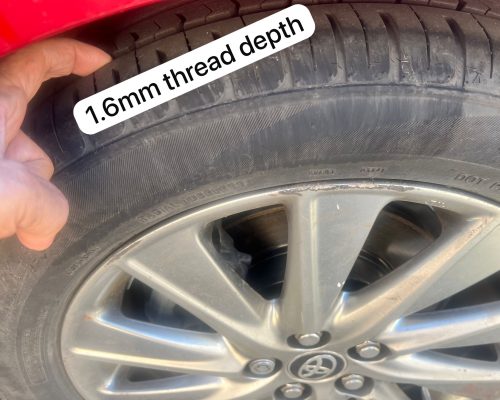
Tell me how you would check the tyres to ensure that they have sufficient tread depth and that their general condition is safe to use on the road.
Answer
There should be no cuts or bulges. The tread depth must be at least 1.6 mm across the central three‑quarters of the breadth of the tyre and around the entire outer circumference.
Show me
Show me how you would check that the headlights and tail lights are working.
Answer
Operate the light switch (with the ignition on if necessary) and walk around the vehicle to check the lights.
Tell me
Tell me how you would check the tyres to ensure that they have sufficient tread depth and that their general condition is safe to use on the road.
Answer
There should be no cuts or bulges. The tread depth must be at least 1.6 mm across the central three‑quarters of the breadth of the tyre and around the entire outer circumference.
Show me
Show me how you would check that the horn is working (off road only).
Answer
Press the horn control (with the ignition on if necessary) to check that it operates.
Tell me
Open the bonnet, identify where the brake fluid reservoir is and tell me how you would check that you have a safe level of hydraulic brake fluid.
Answer
Identify the reservoir and check the fluid level against the high/low markings.
Show me
Show me or explain how you would check that the power‑assisted steering is working before starting a journey.
Answer
If the steering becomes heavy, the system may not be working properly. Apply gentle pressure to the steering wheel while starting the engine; a slight but noticeable movement indicates the system is working. Alternatively, turning the steering wheel just after moving off will show that the power assistance is functioning.
Tell me
Open the bonnet, identify where you would check the engine oil level and tell me how you would check that the engine has sufficient oil.
Answer
Identify the dipstick or oil level indicator, remove it, wipe it clean, re‑insert and then check that the level is between the minimum and maximum markers.
Show me
Show me how you would check that the headlights and tail lights are working.
Answer
Operate the light switch (with the ignition on if necessary) and walk around the vehicle to check that the lights are working.
Tell me
Open the bonnet, identify where you would check the engine coolant level and tell me how you would check that the engine has the correct level.
Answer
Identify the high/low level markings on the header tank (where fitted) or on the radiator filler cap and describe how you would top up to the correct level when the engine is cold.
Show me
Show me how you would check that the headlights and tail lights are working.
Answer
Operate the light switch (with the ignition on if necessary) and walk around the vehicle to check that the lights are on.
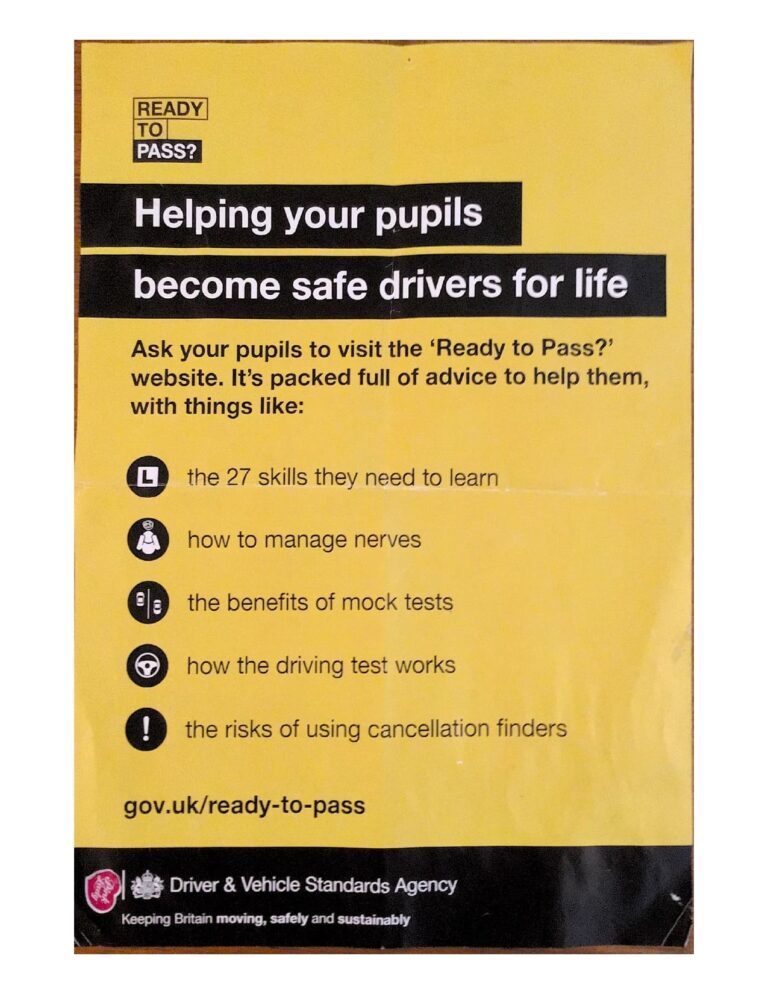
To pass your driving test, you must show the examiner a full range of safe‑driving skills, not just basic car control. This includes good observation, mirror use, signalling, lane discipline, correct speed, smooth junction and roundabout work, safe meeting and overtaking, accurate manoeuvres and confident decision‑making in real traffic. Well‑planned lessons break these 27 key skills into simple steps so you can practise, repeat and master each one until your driving is safe, smooth and consistent.
We design every lesson to build these 27 skills in a clear, structured way that matches your current level and confidence.
Our experienced male and female owner‑instructors focus on one or two key skills each lesson, give you simple step‑by‑step coaching, and then repeat and refine them on real local routes until they become natural habits.
We use progress records, mock tests and honest feedback so you always know which skills you’ve mastered, which still need work, and exactly what you must improve to reach test standard and drive safely for life.
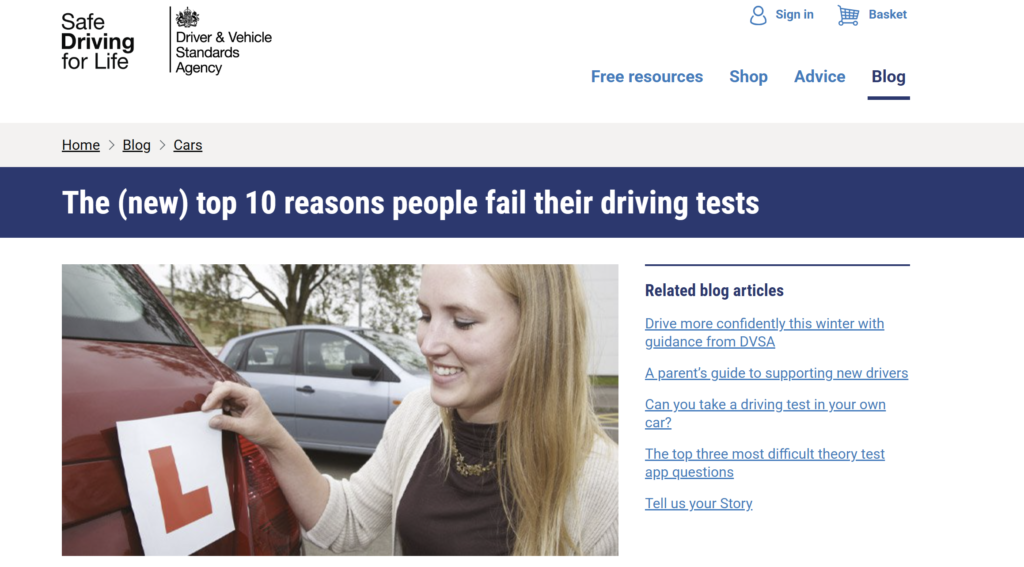
Many learners fail their driving test because of a small number of serious or repeated faults, not because they “can’t drive.” Common reasons include:
Poor observation at junctions (not looking properly before emerging).
Not checking mirrors in time before changing speed or direction.
Incorrect or missing signals.
Wrong lane position at roundabouts or junctions.
Every learns lesson is designed to find and fix the mistakes that most often cause test failures. Our experienced male and female owner‑instructors use local routes, structured lesson plans and mock tests to train your observation, mirror use, positioning and control, so by test day you can confidently avoid the main reasons learners fail.
Professional driving lessons in Hounslow, helping learners pass confidently and drive safely for life.
Copyright © 2008 - 2026 Drive Safe Driving School
Designed by bestwebsitedesignservices.co.uk